It is challenging to work on a painting that currently neither looks like the photo you are using as a reference or what it could look like in your head. I am, for painting, at the point where my taste outstrips my ability to create.
Nobody tells this to people who are beginners, I wish someone told me. All of us who do creative work, we get into it because we have good taste. But there is this gap. For the first couple years you make stuff, it’s just not that good. It’s trying to be good, it has potential, but it’s not. But your taste, the thing that got you into the game, is still killer. And your taste is why your work disappoints you. A lot of people never get past this phase, they quit. – Ira Glass
There are parts of my brain that are just cringing and telling me no don’t do it! Oh, well, you’ve done it but don’t share it. No one should see that you are a beginner, that you clearly have no idea what you’re doing. The brain is both fascinating and a nightmare to live with!
One thing that I’ve got working in my favor is that I’m using acrylic paints. While they are not the best for the environment (they are, in truth, liquid plastic) they are very forgiving. They dry quickly and if you make a mistake – wait, I mean, paint something you don’t like very much – you can paint over it when it dries. Which can be in the same painting session.
This painting is being done over another one I painted a few years ago. I liked the idea of it but I wanted to try something different. I’m actually kind of surprised that first painting got done at all. I must have been in a loose moment in my perfectionism!
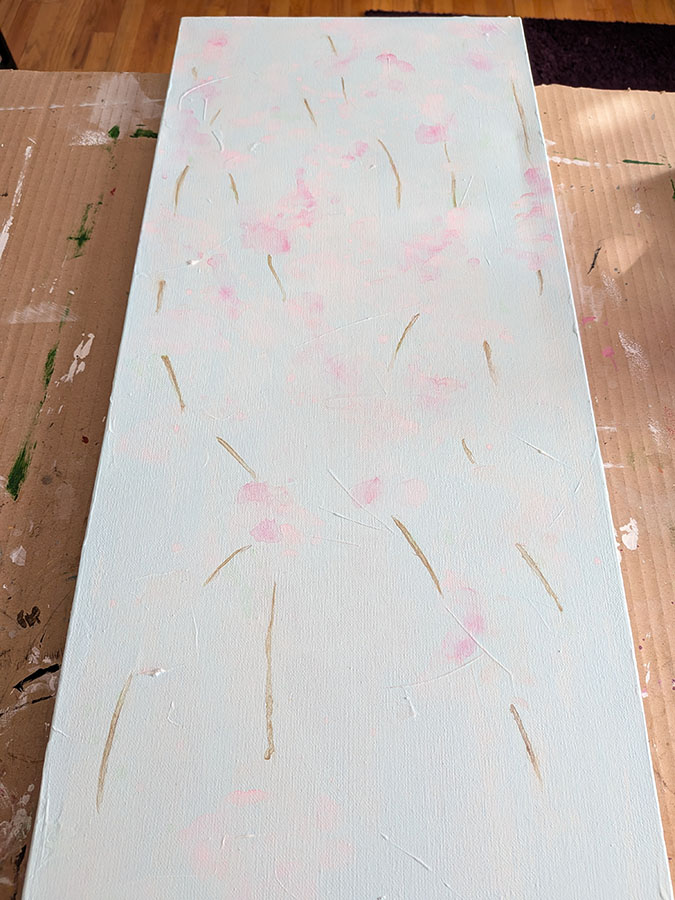
This is also a good way to practice – reuse canvas you already have which also makes the work feel less precious and less like you can make a mistake.
Working Notes – Paint What You See, Not What You Think You See
One thing to be mindful of is not painting what you think you see. That sounds funny but most of us have an idea in our head of what a leaf looks like or a rose. The tendency when starting out is we paint what we see in our mind and when you’re beginning that divide is not always clear. You have to paint what you actually see which will look, and feel, weird at first, because often the painted areas are blobby (very technical art term…) and don’t seem to blend but eventually, it will.
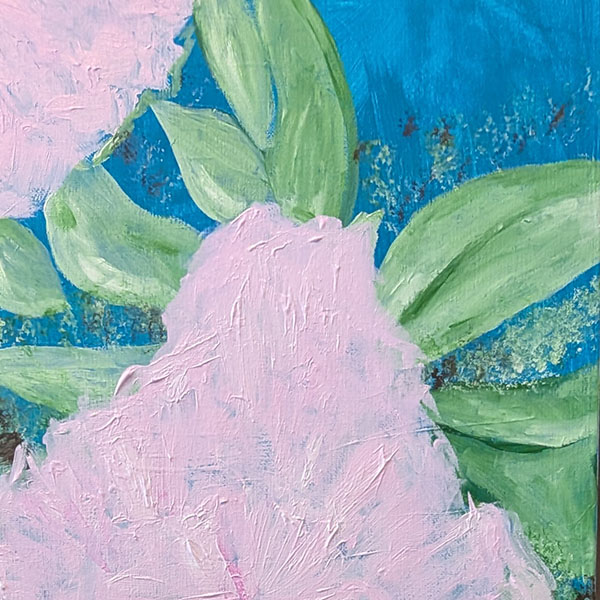
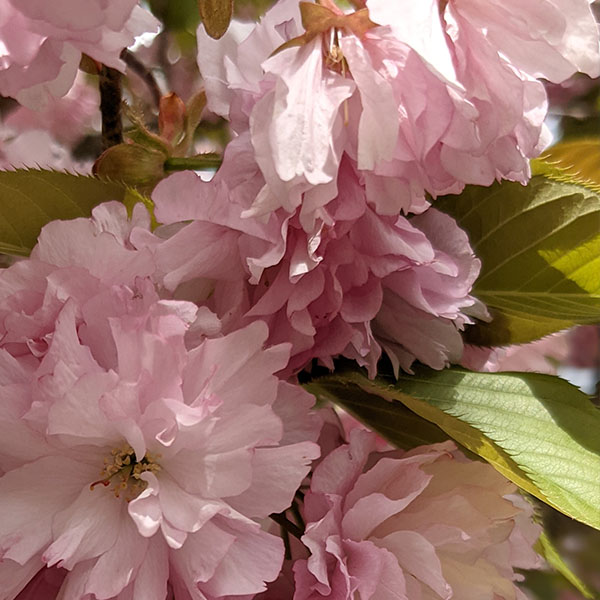
I realized today while I was adding in the green for the leaves. I used green and white to make a lighter base to paint over the blue background and that was it. In reality, they are not just green. They are actually green, yellow with shades of gray-green in the shadows. Again, the beauty of acrylics – I have noted this and will adjust in the next layer.
It is also important for me to remind myself, I am not painting a realistic, exact image of my photograph but I do want more of what I love in the photo in my painting. It’s a balance.
It Won’t Always Be ‘Right’ the First Time Around
Speaking of layers, this was another manifestation of my perfectionism many years ago. I assumed people sat down and made paintings in one sitting and they came out correct and perfect the first time. Uh huh. My mother recently told me about a painting by Picasso, Guernica, that took him 35 days to complete.
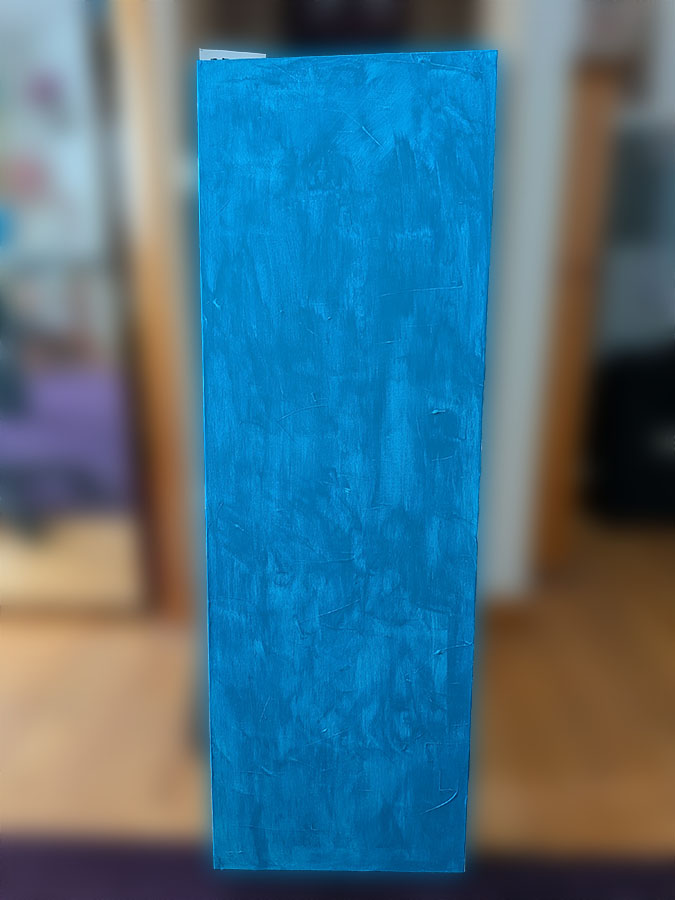
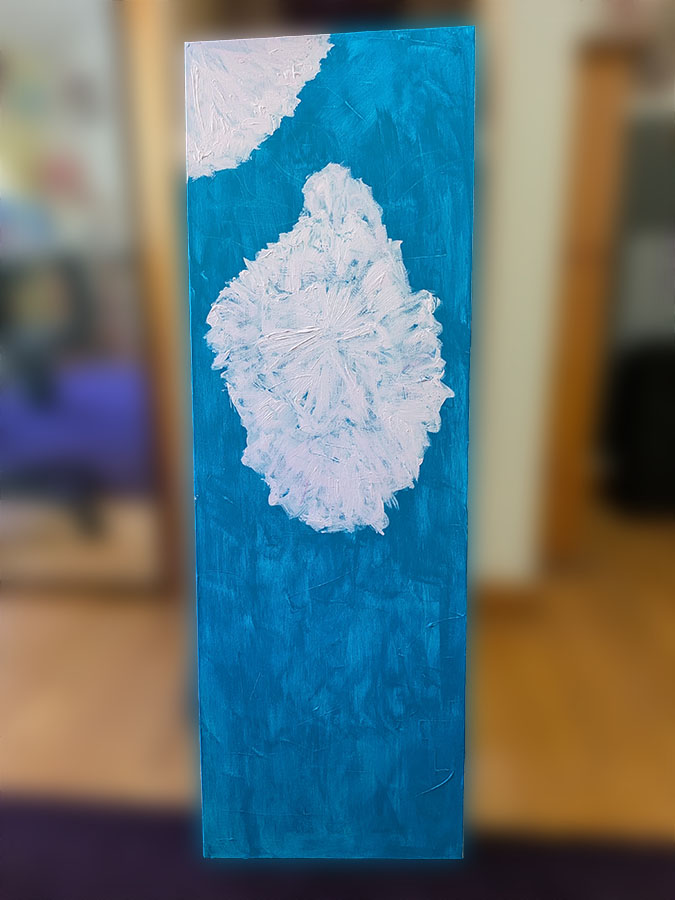
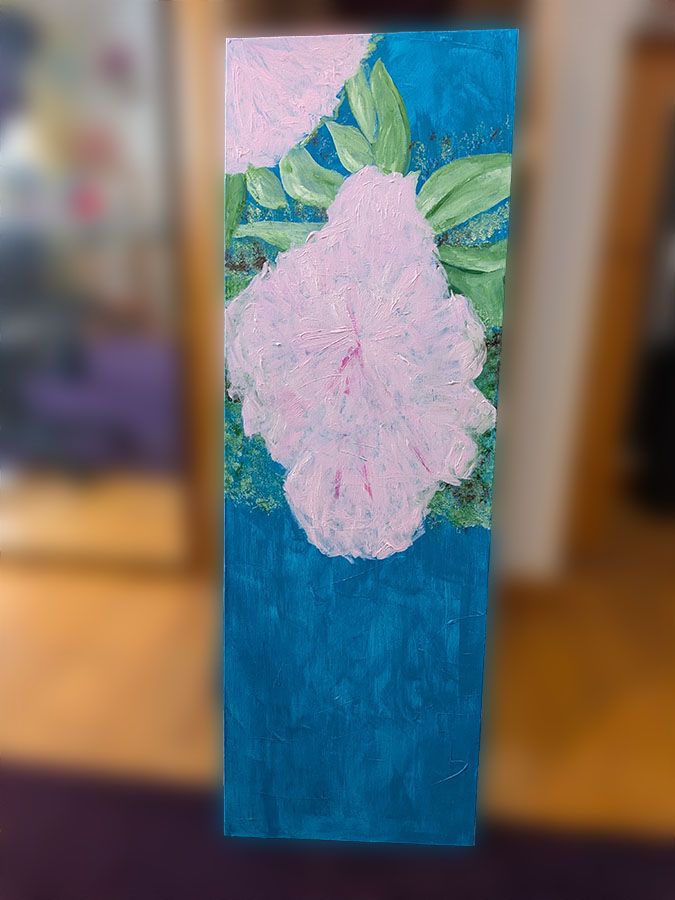
This is also working in my favor: realizing it doesn’t have to be right the first time around. Including the previous painting, I am on layer four and really don’t know many more there will be. I would also consider this a possible perfectionism trap. I could keep painting and do just one more layer and then it will be done. Ok, maybe one more. At some point I will have to decide that the work is done and it’s time to move on to something else.